Is Slot Wheel Bonuses Suitable for You
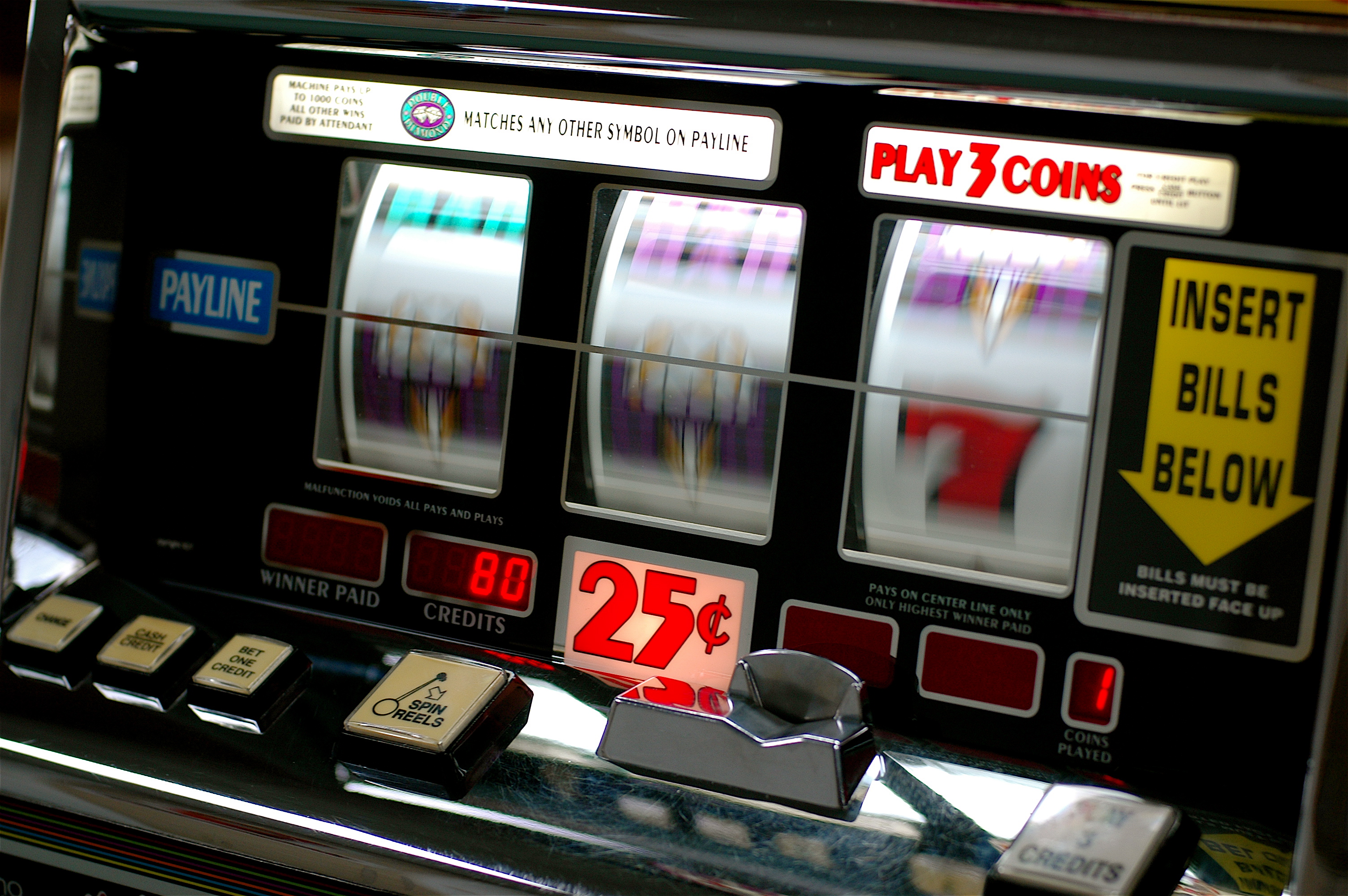
Picture the reels landing into a near-miss and then, out of nowhere, a majestic wheel bursts onto the screen, radiating with multipliers, free spin wedges, and instant jackpots posidocasino-ch.ch. That heartbeat-skipping moment characterizes the slot wheel bonus, a mechanic that has transformed online gaming lobbies from Zurich to Lugano. For Swiss players browsing the extensive library at Posido Casino, these features constitute more than just visual flair; they are a distinct mathematical proposition that bridges the difference between pure chance and a false sense of control. Understanding whether these spinning prizes match a specific playing style requires looking beyond the glitzy animation. The wheel often masquerades as a game of skill, yet it remains a rigorously programmed random number generator result. This guide cuts through the high-gloss surface to analyze the volatility, payout psychology, and strategic bankroll implications of going after those iconic spinning segments. Every rotation provides a deterministic outcome, but the theatrical suspense renders the journey utterly electrifying.
The Mindset Behind the Spin
Software studios are skilled manipulators, and the bonus wheel is their most potent prop. When a player activates a wheel, the brain experiences a dopamine spike associated with a sense of control, yet the outcome was decided the millisecond the bonus round triggered. This perceived influence keeps players in the Swiss mountains or busy cities thoroughly captivated, turning a passive slot session into an interactive event. The visible segmentation of prizes also activates a cognitive bias called the “gambler’s fallacy,” where a player might irrationally believe a high-value segment is “due” simply because the wheel has landed on smaller prizes repeatedly. At Posido Casino, these mechanics are presented with transparent integrity, but the emotional wiring remains global. The deceleration of the pointer, the near-miss tease on a massive jackpot slice, and the celebratory explosion of light are orchestrated to maximize retention. It is sensory storytelling where the player becomes the ouest-france.fr protagonist, even when the script is finalized by a cold, hard algorithm.
Creators exploit sensory feedback loops to enhance this psychological grip. The auditory cues—a clicking ratchet sound mimicking a physical wheel—anchor the digital experience in tangible reality. Swiss players experienced with traditional mechanical gaming devices will acknowledge the homage, yet the digital version allows for impossible physics that traditional mechanics cannot duplicate. The wheel can speed up, slow down randomly, or even spin backward, creating a dramatic suspense impossible in the physical world. This emotional rollercoaster is precisely why these bonuses dominate the most-played lists at Posido Casino. The house edge never changes, but the perceived entertainment value soars. When a player analyzes the cost of spins against the duration of the bonus feature, wheels often offer extended playtime for minimal stake increments, sustaining the session alive long after the base game would have exhausted a smaller bankroll. The illusion is remarkable, but informed players understand it while still appreciating the ride.
The Mechanics of the Wheel Segments
Not all wedges are created equal, and sight is frequently the least reliable measure for measuring fair representation. A wheel with twenty slices could visually assign a player a five percent chance of hitting the headline jackpot, but the algorithmic weight behind that segment may be a fraction of a percent. This asymmetric distribution is the secret sauce that supports the smaller, shifting segments that keep the party alive. Game mathematicians use a “virtual reel” concept where the marker is mapped to a lookup table far more granular than the visual graphic. If the top prize occupies an effective weight of one unit and the smallest multiplier occupies 200 units, the rotation will seem generous due to the frequent small wins, but the massive reward remains an elusive unicorn. For users navigating the slots at Posido Casino, recognizing this disparity means managing emotional expectations. The regular landing on a “collect” or low-value wedge is not poor fortune; it is a required mechanical recharge that ensures the establishment can afford the rare, enormous payout without violating the game’s stated RTP.
Multiplier accumulation wheels add an extra layer of complexity by arranging two distinct math models. The initial wheel might spin to grant a multiplier, and a second determines the coin value to which that multiplier attaches. The result of these two random variables produces a payout curve with extreme right-skewed tails. The typical payout often rests well below the mean, producing a scenario where most players walk away feeling a bit let down while a tiny fraction enjoys astronomical results. This payout structure is economically sound for operators and psychologically compelling for players. When reviewing the outcome of a session at a Swiss gaming platform like Posido Casino, the statistically astute player classifies the wheel result as a single data point in a long volatility curve rather than an indicator of future behavior. The impressive visual display of a spinning wheel masks a complex web of probability density functions carefully tuned to supply exactly the RTP printed on the game’s information sheet, nothing more and nothing less, over an infinite cycle of rotations.
Defining the Top Studios and Their Wheel Styles
The innovative approach to wheel bonuses varies drastically across the powerhouse studios filling the Posido Casino lobby, and each house style bears a distinct fingerprint. Pragmatic Play often integrates a “Money Collect” style wheel layered on top of a classic free spin round, where special symbols accumulate values that the wheel merely distributes, mixing active collection with spinning suspense. NetEnt uses an sense of refined simplicity, often employing a one turn of a calibrated wheel at the height of a bonus round to grant a multiplier to the sum of wins, a high-stakes reveal that transforms an regular payout into a rush of adrenaline. In contrast, Play’n GO embeds wheels as adaptive difficulty modifiers, turning between different free spin modes with diverse degrees of volatility. This layered choice architecture allows a player to customize the following feature, transforming the wheel into a risk-management tool rather than a static prize dispenser. Recognizing these stylistic nuances is a shortcut to building a session that seems personally calibrated.
Evolution Gaming’s live casino offshoots have extended the wheel concept into a mixed live-dealer format, though in the slot domain, their Red Tiger acquisition focuses on linked progressive wheels that spin daily to drop guaranteed jackpots. The “Must-Drop” wheel mechanic generates an urgency dynamic unparalleled in traditional slot design, where a apparent timer compels Swiss players to watch the daily reset window. Big Time Gaming, the developer of Megaways, often utilizes the wheel as a backdated multiplier enhancer, turning after a cascade collapse to multiply the reaction chain beyond normal mathematical limits. These variations create an ecosystem where the term “wheel bonus” defines a genre as varied as literature itself. Exploring these flavors without prejudice at Posido Casino opens a spectrum of engagement, from the peaceful, low-stakes spinner to the high-octane, heart-pounding monster wheel able to rewriting a balance sheet in a single rotation. The provider logo is often the cheat sheet to the wheel’s soul.
The way Slot Wheel Mechanics Truly Activate
The alignment of three ostensibly harmless scatter symbols frequently opens the entrance to the wheel, but the triggering logic differs significantly across the collection found at Posido Casino. In some titles, the wheel is a incremental feature that fills a meter over countless of base game spins, ensuring a culmination after persistent play. In others, it is a volatile surprise that can land on every random spin without warning, suddenly yanking the player from a calm base game into a intense decision point. The technical architecture generally categorizes wheels into two types: the pre-bonus modifier wheel and the standalone prize wheel. The modifier wheel spins primarily to determine the number of free games or an linked multiplier before the main bonus round starts, straight affecting the volatility distribution of the ensuing session. The standalone wheel just awards a fixed amount of coins or a set jackpot tier, concluding the experience abruptly but generously. Comprehending this difference is the basis of selecting a game that suits a well-rounded risk profile.
In the background, the odds of landing on a particular wedge are seldom commensurate to the physical size of that segment on the screen. A enormous wedge presenting a huge multiplier might look enticingly inevitable, but the software weighting commonly assigns that surface area to a minuscule probability. This visual distortion is a lawful and governed math model, not a deception, but it exploits optical instincts. Swiss regulatory bodies ensure that RTP calculations integrate these weightings precisely, so titles at Posido Casino openly show their return percentages for transparency. Players should examine the paytable information before committing, as some wheels include a fixed number of slices with identical visual space but drastically different statistical probabilities. The pointer sometimes appears to hesitate or skip due to sophisticated interpolation algorithms intended to align a fixed result with a authentic deceleration curve. The rush is real, but the path to the final wedge is a carefully arranged animation sequence hiding split-second mathematical certainty.
Volatility Profiles and Bankroll Compatibility
Wheel bonuses are often the key determinant of a slot’s volatility profile, acting as a control point for the game’s mathematical model. A title where the wheel provides fifty free spins with a 1x multiplier might create a low-variance grind that extends a small Swiss franc funds into an evening of steady entertainment. Compare that to a wheel featuring only three wedges: a huge 5000x jackpot, a retrigger, and a loss. That setup creates a volatile powerhouse prone to destroying a bankroll in minutes between electrifying peaks. The choice of which lane to select depends fully on the player’s session goal. A occasional player putting in a small amount at Posido Casino for entertainment should opt for wheel structures that offer consistent opportunities and lower prizes. A big spender chasing a enormous score may tolerate punishing droughts for a shot at a wheel filled with life-changing multipliers. The wheel is not just a element; it is the controller of reward allocation.
Determining the ideal stake size before chasing a wheel unlock is a vital baseline tactic. Since the hit frequency is often established between one in 100 to one in 400 spins, a stake that is too high in relation to a balance can exhaust funds before the wheel ever shows up. Experienced players often employ a “scouting” approach, testing the feature purchase cost—where permissibly available—to assess the mathematical midpoint of the bonus. If the feature buy is set at 80x the total bet, the wheel likely holds a average payout centered on that range. Without a feature buy option, historical risk data and player feedback become the compass. Swiss enthusiasts at Posido Casino appreciate the ability to filter games by provider, as studios like Pragmatic Play often engineer wheels with fair odds, while others skew heavily into extreme variance zones. A careful bankroll allocation accepts that the wheel is a periodic explosion of value, not a steady income stream, and modifies the rotation of base game spins to survive the path to the next appearance.
Common Wheel Types and What They Award
The realm of wheel bonuses is populated by separate archetypes, each fulfilling a specific function in the slot’s financial ecosystem. Knowing these species avoids bewildered disappointment when a wheel fails to deliver a jackpot that was never structurally possible. This breakdown classifies the most common variants found by players at Posido Casino, revealing the underlying architecture behind the rotating dazzle.
- The Multiplier Spinner: This standard type spins to assign a multiplier, usually ranging from 2x to 1000x, to the total wager. It is a simple volatility booster, often appearing randomly in the base game to revive a losing account. The apparent disparity between giant high-multiplier slices and minuscule low-value segments is typically illusory; the occasional major payout supports the occurrence of smaller awards.
- The Bonus Choice Wheel: Instead of cash, the sections display different bonus modes—perhaps a “Mystery” mode with an undefined advantage, a “Sure Win” standard spin number, or a “High Volatility” option with reduced spins alongside growing multipliers. This wheel converts the player into a tactician, though the random halt determines the final path, functioning as a volatility selection tool disguised as a fun experience.
- The Growing Jackpot Wheel: Often segmented into tiers such as Mini, Minor, Major, and Grand, this wheel works as a prize drum. The Grand jackpot typically takes a tiny slice so thin it is nearly invisible, while the Mini wedge dominates the visual real estate. The theoretical return is stabilized by common Mini wins, but the combined input of the user community fuel the ascending top tier.
- The Collector Wheel: Operating in tandem with a respin mechanic, the wheel here holds amounts that are accumulated in a gauge, or it might accumulate shown currency signs already located on the layout. A double wedge might add values twice, while a jackpot wedge scoops the cumulative pot. The concluding turn often includes a “full board” prize rewarding comprehensive coverage of the reels during the qualification round.
The combined mechanics that combine multiple wheel spins inside a single feature layer complexity to the base volatility. A sequence could commence with a “Whiskey Wheel” that gives a number of steps on a trail, which then triggers a second wheel at the trail’s end. This matryoshka architecture packs a massive amount of RTP into a dense, highly watchable minigame. Players at Posido Casino should note that these nested features often drain the base game RTP slightly, making the dry spells between triggers seem longer. The cinematic payoff is undeniable, but the bankroll pressure during idle periods is equally real. Choosing a variant requires matching the complexity level to attention span. A simple single-pointer wheel fits a fast-paced session on a mobile device while commuting on a Swiss train. The deeply layered, multi-tiered wheel calls for a desktop sit-down session where each rotation can be enjoyed. The right wheel is the one that matches the rhythm of the player’s life.
When to Skip the Wheel Spin Feature

Despite the captivating charm, there are specific situations where a wheel-driven slot is the wrong arena for a player’s funds. A key warning sign is an extreme mismatch between stake size and bonus frequency. If a session audit reveals that the mean price to reach a wheel feature surpasses 120% of a usual balance, the math prescribes a fast track to zero without a unbalanced amount of luck. High-impact wheels with low hit rates devastate players who lack the discipline to walk away after a fixed loss limit. Another warning signal is the existence of a “risk-and-buy” mechanic where the wheel presents a gamble to retrigger, often masking a markedly lower expected value on the second spin compared to the first. Swiss players familiar with transparent banking should be careful of wheels that conceal the specific odds of each wedge, although the controlled environment of Posido Casino reduces this opacity. Emotionally, if the view of a pointer bouncing near a jackpot triggers frustration rather than enjoyment, the genre has lost its amusement purpose and become a trap.
A practical filter for skipping destructive wheels entails analyzing the prize spread before investing. If the wheel consists of one colossal wedge worth 5000x and nine wedges showing a small 1x to 5x refund, the feature is a statistically harsh trial designed to vaporize bankrolls while selling an impossible dream. The theoretical RTP might hold up over a billion simulations, but a human lifespan will not see the regression to that mean. For an enjoyable evening at Posido Casino, wheels that bunch prizes around a pleasant median—perhaps a range of 15x to 60x—provide a sustainable enjoyment loop without devastating downside. Additionally, features that allow a player to “bank” a wedge or nudge the pointer, though rare, present a true element of strategy that lessens the pure RNG cruelty. Walking away from a visually impressive game with a exploitative wheel design is a mark of veteran wisdom. The slot lobby is enormous, and for every monster-wheel bankroll destroyer, there stands a softer, entertainment-first alternative that still provides sparks of dazzling joy without the punishing emptiness between them.
FAQ
Do slot wheel bonuses purely based on luck or is there skill involved?
Slot wheel bonuses run entirely by Random Number Generators with zero skill input. The interactive “stop” button often visible on screen is purely cosmetic, designed to give a illusion of agency. The outcome is algorithmically decided the instant the feature triggers, and the deceleration of the pointer is a pre-rendered animation corresponding to that predetermined result. No tapping rhythm or timing trick can affect the destination wedge, as the fairness algorithms implemented at regulated platforms like Posido Casino forbid any external manipulation of the sealed digital outcome.
Why does the wheel often land on the smallest prize wedge?
The visual size of a wedge hardly ever correlates with its probability weight. Game designers enlarge the graphic for high-value jackpots to make them visually prominent, while granting them a fraction of a percent chance in the math model. The narrow, tiny wedges for low multipliers carry disproportionately higher statistical weight, securing frequency. This asymmetric design enables the slot to display a giant jackpot segment for marketing appeal while upholding the economic viability of the game, as the frequent small wins keep the player’s balance ticking over until the rare, funded giant hit occurs.
Can Swiss players experience wheel bonus mechanics for free before betting real money?
Absolutely. Posido Casino and most reputable platforms offer a comprehensive “Demo Play” or free-play mode that replicates the exact math engine and hit frequency of the real-money version. This allows a player to activate the wheel feature multiple times without financial exposure, assessing its median payout and volatility rhythm. Examining the aggression of the wheel’s weighting in demo mode is a best practice that provides a safe environment to choose whether the feature’s entertainment arc justifies a deposit before committing a single Swiss franc to the reels.
Does the wheel bonus influence the overall RTP of the slot game?
The wheel bonus is an integral and often dominant component of a slot’s advertised Return to Player percentage. A game claiming 96% RTP assigns a portion of that return to the base game and a calculated chunk specifically to the wheel feature. If a wheel bonus paid out erratically or was removed, the theoretical base game RTP would drop significantly. These features are not charitable add-ons; they are the scheduled repayment mechanism that disperses accumulated player contributions in large bursts, mathematically balancing the slow drain of non-bonus spins into a sustainable long-term return cycle.
Should you to pick a wheel slot with an instant prize or a free spins award wheel?
The superior choice is determined by bankroll stamina and entertainment preference. An instant prize wheel delivers a closed transaction; the win is credited immediately, limiting exposure to protracted dry spells. A free spins award wheel postpones the value into a subsequent feature, potentially layering multipliers, retriggers, or symbol upgrades onto the initial spin count. Free spin wheels generally exhibit higher volatility and extend the session’s climax into a narrative arc. Players with smaller balances at Posido Casino might favor the certainty of instant coin drops, while those hunting a story prefer the cascading potential of free spin wheels.
How does a “collector” wheel variant function in modern slots?
A collector wheel variant integrates cash-on-reels mechanics, where symbols on the main grid display specific monetary values or jackpot labels. When triggered, the wheel spins not to award a static multiplier, but to collect, double, or accumulate these visible values. The wedges may instruct to “collect all,” “add values,” or “multiply before collect.” This establishes a synergy between the base game’s table state and the wheel outcome, making each spin contextually unique. The visual satisfaction of scooping displayed cash values delivers a transparent and exciting feedback loop for fans of tangible prize accumulation.
Do MegaWays slots with wheels more volatile than standard payline games with wheels?
MegaWays mechanics inherently carry extreme volatility due to the fluctuating reel heights and cascade reactions. When a wheel bonus is layered atop a MegaWays engine, the compound volatility can create dramatic swings, with wheel multipliers applied to an already randomly generated cascade chain. This compounding randomness makes the outcome distribution exceptionally wide; dry streaks feel interminable, but the winning potential can reach astronomical figures. Standard payline wheels operate in a more constrained mathematical sandbox, offering greater predictability in bonus frequency, though the peak ceilings are generally lower than their MegaWays counterparts.